

How to Make Graphic Tees and Hoodies Last Longer
A good shirt or hoodie should not feel disposable. When you find something that fits well, carries artwork you actually connect with, and becomes part of your regular rotation, you want it to last.
Unfortunately, the way most people wash and dry clothing is harder on printed apparel than they realize. Excessive heat, aggressive wash cycles, harsh detergents, and repeated friction gradually damage both the garment and the design. A shirt may still technically be wearable while the print begins cracking, the fabric loses its shape, or the color becomes noticeably duller.
Taking care of graphic apparel does not require complicated products or obsessive routines. A handful of deliberate habits can make a substantial difference in how your clothing looks after months or even years of regular use.
At Black Rune Works, we approach clothing as something meant to be worn repeatedly rather than treated as disposable fashion. The same philosophy behind choosing meaningful apparel applies to caring for it. If a piece earns a place in your wardrobe, taking care of it helps it stay there.
Why Printed Apparel Needs Different Care
Printed shirts and hoodies combine two materials that respond differently to washing. The fabric needs to be cleaned thoroughly, while the printed artwork needs protection from heat, abrasion, stretching, and aggressive chemicals.
Every trip through a washer causes some friction. Clothing rubs against other garments, the drum, zippers, buttons, and occasionally rougher fabrics such as denim. Over time, that friction can wear down the surface of a printed design.
Heat creates another problem. High-temperature washing and drying can accelerate shrinking and affect the bond between a printed design and the garment beneath it. Repeated exposure is usually more damaging than a single wash. The changes happen slowly enough that people often do not notice them until the shirt no longer looks like it did when it was new.
The goal is not to avoid washing your clothing. The goal is simply to clean it without subjecting it to unnecessary abuse.
Turn Graphic Clothing Inside Out Before Washing
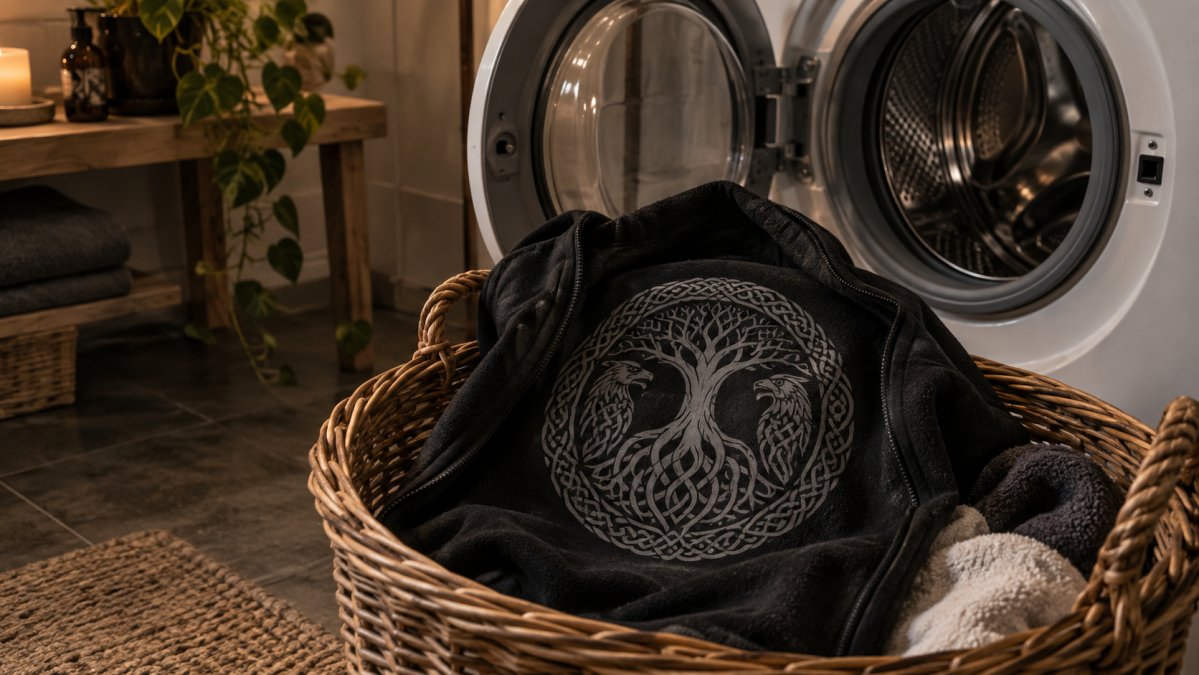
One of the easiest things you can do is turn printed clothing inside out before placing it in the washer.
This creates a protective barrier around the artwork. Instead of the printed surface rubbing directly against the washer drum and other garments, most of that friction occurs against the inside of the shirt.
It also helps protect darker fabrics from excessive surface wear. Black garments gradually develop a faded appearance partly because friction changes the surface of the fibers. Turning them inside out reduces some of that direct contact.
For Black Rune Works apparel with large back artwork, sleeve graphics, Nordic patterns, or rune designs, this simple habit is particularly useful because it protects the areas that give the garment its visual character.
It takes only a few seconds before washing and requires no special detergent or equipment.
Use Cold Water Whenever Possible
Cold water is usually the safest choice for everyday graphic apparel.
Modern detergents generally clean normal clothing effectively without extremely hot water. Cold washing also reduces stress on fibers, slows fading, and lowers the chance of unnecessary shrinkage.
That matters particularly with black clothing. Dark garments eventually fade no matter how carefully they are treated, but repeated hot washing usually speeds up the process. Keeping the temperature lower helps black, charcoal, and other darker colors retain their appearance longer.
Cold water is not a substitute for proper cleaning when clothing is heavily contaminated or requires special sanitation, but for ordinary everyday wear it is usually sufficient.
The principle is straightforward: use enough cleaning power to remove dirt and odor without exposing the garment to more heat than necessary.
Choose a Gentle Wash Cycle
A washing machine cleans partly through movement and friction. More aggressive cycles create more movement.
That can be useful for towels, work clothing, or heavily soiled items. It is usually unnecessary for a graphic shirt that was worn during an ordinary day.
A normal or gentle cycle reduces unnecessary mechanical stress. It helps protect seams, collars, cuffs, printed surfaces, and the shape of the garment itself.
Another simple improvement is avoiding an overloaded washer. Clothing needs room to move through the water. Packing the machine too tightly increases friction and may also prevent detergent from rinsing thoroughly.
Treating clothing gently does not mean treating it as fragile. It simply means matching the washing method to what actually needs to be cleaned.
Be Careful What You Wash Together
A soft shirt and a pair of heavy jeans do not experience the washer the same way.
Heavy denim, jackets, metal zippers, large buttons, hooks, and other hardware can repeatedly scrape against printed artwork during the wash cycle. That contact may not destroy a print immediately, but dozens of washes can eventually show the difference.
Whenever practical, wash similar garments together. Shirts, hoodies, joggers, and other soft casual clothing generally make better washing companions than heavy workwear.
Closing zippers before washing can also reduce damage. An exposed zipper functions surprisingly well as an abrasive surface when everything is tumbling around inside a washer.
Small habits like these matter because clothing wear is cumulative.
Drying Is Often Harder on Clothing Than Washing
The dryer is where many garments receive the most punishment.
High heat can shrink fibers, weaken elastic materials, accelerate fading, and increase stress on printed designs. Tumbling also creates constant friction while the garment is warm.
Air drying is the gentlest option when practical. Hanging a shirt or placing it flat allows moisture to leave the fabric without prolonged exposure to high temperatures.
Hoodies and heavier garments may take longer to dry naturally, particularly in humid weather, so using a dryer is sometimes simply more convenient.
When you do use one, choosing lower heat usually makes more sense than blasting clothing at the highest setting. Removing garments once they are dry rather than continuing the cycle unnecessarily also helps.
The goal is not to make laundry inconvenient. It is to avoid using maximum heat when moderate heat will accomplish the same job.
Protect Black and Dark Apparel From Fading
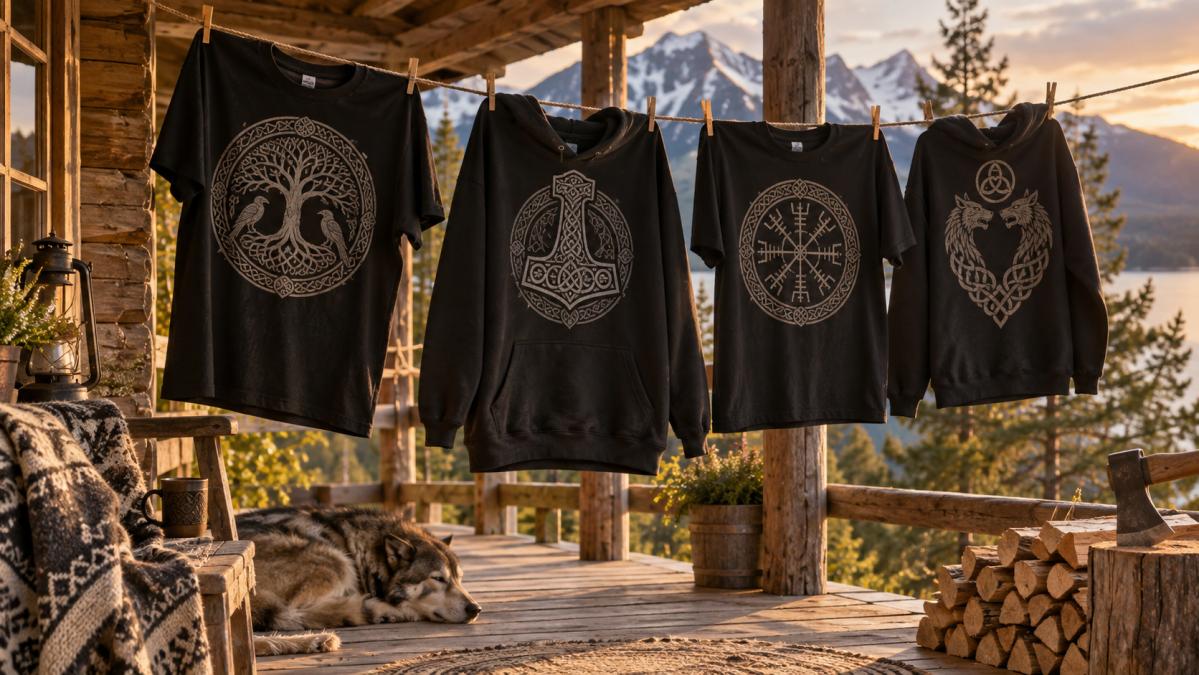
Black clothing works particularly well with Norse-inspired artwork because the dark fabric creates contrast and gives detailed designs a strong visual foundation. It also makes fading more noticeable.
Washing dark colors together helps prevent lighter fibers and lint from becoming visible on black garments. Cold water and turning clothing inside out also reduce surface wear.
Direct sunlight can fade fabric as well. Drying clothing outdoors occasionally is unlikely to ruin anything, but repeatedly leaving dark garments in strong sunlight for long periods gradually changes their color.
Storage matters for the same reason. Clothing kept in direct sunlight near a bright window may fade unevenly over time.
Dark apparel does not require special treatment. It simply benefits from avoiding unnecessary heat, friction, and prolonged ultraviolet exposure.
Do Not Iron Directly Over Printed Artwork
A hot iron and printed artwork are not a good combination.
Direct heat can soften, distort, or damage certain printing materials. Even when the design does not visibly melt, repeated direct ironing can affect its surface.
If a printed area needs smoothing, turn the garment inside out and use an appropriate lower temperature for the fabric.
A pressing cloth can provide another protective layer when necessary.
Most casual shirts and hoodies do not need much ironing anyway, especially if they are removed from the dryer promptly or allowed to air dry without being tightly crumpled.
Whenever possible, let the fabric relax naturally instead of attacking wrinkles with maximum heat.
Storage Affects Garment Life Too
Clothing spends much more time stored than it does being worn.
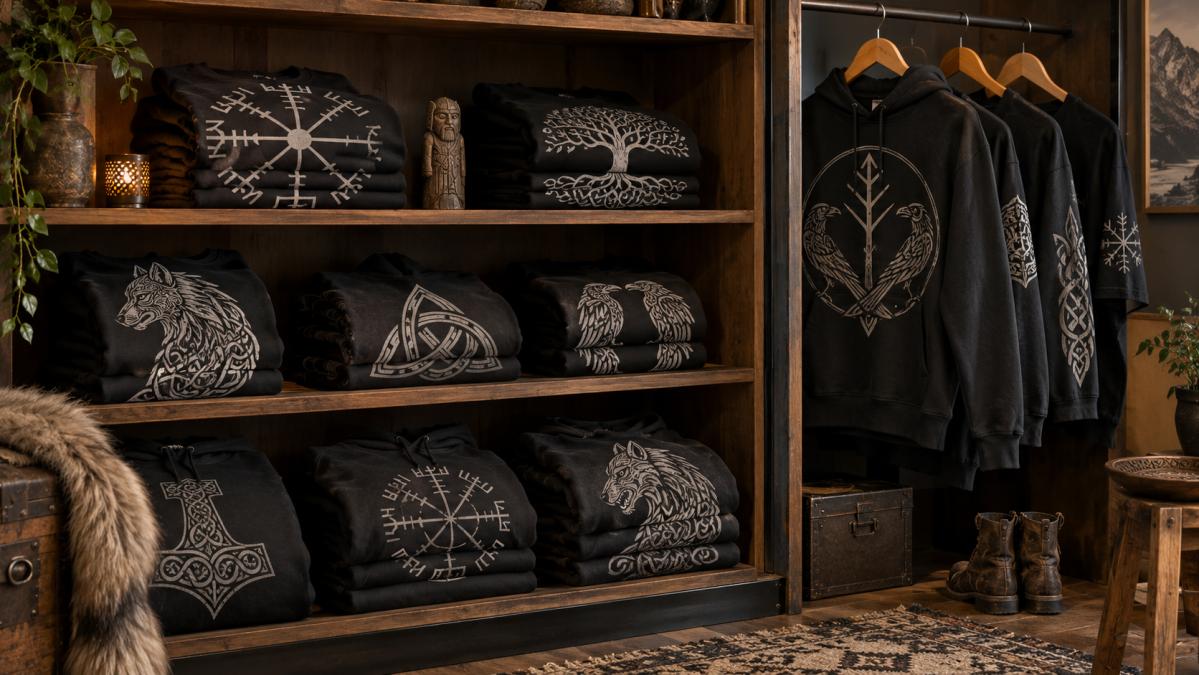
Heavy hoodies can sometimes stretch when left hanging for long periods, particularly on narrow hangers. Folding heavier garments helps prevent the shoulders from becoming distorted.
Shirts can usually be folded or hung depending on available space. The important part is keeping them somewhere dry and reasonably protected from prolonged sunlight.
Avoid leaving clothing compressed inside laundry baskets for days after washing. Moisture trapped between garments can create odor and wrinkles and, under poor conditions, encourage mildew.
A simple wardrobe system also makes it easier to rotate what you own. When you can actually see your clothing, you are more likely to wear everything rather than repeatedly using the same few garments while others disappear at the back of a closet.
Quality Apparel Is Still Meant to Be Worn
There is no reason to become so protective of clothing that you stop enjoying it.
A shirt will eventually show wear. A hoodie will soften. Fabric develops character. Those changes are part of owning something rather than preserving it like a museum object.
The purpose of good garment care is not to prevent aging entirely. It is to prevent unnecessary damage.
That distinction fits the philosophy behind Black Rune Works. Apparel should carry meaning, but it should also function in ordinary life. A Nordic design, rune symbol, or statement about discipline means more when it becomes something you actually wear rather than something that sits untouched in a closet.
Wear it. Use it. Just take reasonable care of it afterward.
Making Your Wardrobe Last Is Part of Buying With Intention
Choosing fewer pieces you genuinely like changes the way you think about clothing.
When something is disposable, there is little incentive to maintain it. When a garment reflects your style, fits properly, and carries symbolism or artwork you connect with, replacing it becomes less appealing.
That naturally encourages better care.
Buying with intention and maintaining what you own are really two parts of the same principle. Both reject the idea that clothing should constantly be replaced simply because something new appeared.
A wardrobe built gradually around pieces you actually wear can become more personal over time. Shirts soften. Hoodies become familiar. Certain designs become associated with particular experiences or periods of your life.
Clothing does not need to be expensive to deserve proper care. It simply needs to matter enough that you want to keep wearing it.
The Black Rune Works Approach
Black Rune Works was built around clothing that carries purpose rather than disposable graphics.
The Nordic patterns, runes, symbolism, and artwork throughout our collections are meant to connect with ideas such as discipline, resilience, honor, strength, and personal responsibility. Those ideas are difficult to reconcile with treating clothing as something temporary.
Taking proper care of apparel extends that philosophy beyond the design itself.
Turn garments inside out. Keep washing temperatures reasonable. Avoid unnecessary heat. Give clothing room in the washer. Protect printed surfaces from abrasion. Store pieces properly when they are not being worn.
None of those habits requires much effort individually.
Together, they can dramatically change how a favorite shirt or hoodie looks after dozens of washes.
The strongest wardrobe is not necessarily the largest one. It is the one filled with pieces you continue reaching for because they still fit, still look good, and still mean something.
Frequently Asked Questions
How can I make a DIY Viking inspired outfit for my child?
Start with a plain linen or cotton tunic that reaches mid-thigh, add a cloth belt, and layer a simple cloak for cooler days. Linen breathes well and holds up to repeated washing, which matters for kids who play hard. Skip the horned helmet; it has no basis in Norse history. Add a wooden or foam shield for play, and let your child help choose the details so the outfit feels like theirs.
What materials hold up best for durable kids apparel for outdoor play?
Linen and wool are the two best choices. Linen resists tearing, breathes in warm weather, and softens with each wash. Wool keeps its shape and stays warm even when damp. Both last far longer than thin synthetic costume fabric, which tends to pill and split at the seams after a few wears. Check the stitching at the shoulders and belt loops before you buy.
How do I teach children about Norse values through their clothing?
Keep it simple and practical. Talk about one value at a time, such as keeping your word or finishing what you start, and tie it to a symbol on the garment. Norse-inspired apparel from Black Rune Works gives you a natural starting point for those conversations at the dinner table or on the way to school. The goal is not a history lesson; it is a daily reminder your child can grow into.