

How to Care for Norse Graphic Hoodies and Shirts
Norse-inspired apparel is often purchased because the artwork means more than an ordinary graphic. A rune, knotwork design, Mjölnir image, Yggdrasil illustration, or Black Rune Works emblem may be the reason someone chose the garment in the first place. Proper care therefore matters for more than keeping the fabric clean. Good washing and drying habits help preserve the artwork, the garment shape, and the dark colors that make detailed Nordic designs stand out.
The safest approach to caring for printed apparel is surprisingly simple. Avoid excessive heat, reduce friction whenever possible, use gentle washing practices, and follow the garment's own care label whenever its instructions differ from general advice. A little extra care can make a shirt or hoodie look better through repeated wear without turning laundry into a complicated process.
Black Rune Works apparel is designed to be worn in everyday life. That means it should be cared for like clothing, not treated like a fragile display piece. The goal is simply to avoid the few habits that are hardest on printed garments.
Why Printed Norse Apparel Deserves Thoughtful Care
A detailed Nordic design contains far more visual information than a plain shirt. Fine knotwork crossings, metallic-looking effects, runic forms, dark tonal details, and subtle contrasts all depend on the print remaining clear.
Repeated washing naturally ages every garment, but the way it is washed can influence how quickly that aging becomes noticeable. High temperatures can be harder on both fabric and printed artwork. Aggressive washing creates more rubbing between garments, while excessive dryer heat repeatedly exposes the material and design to temperatures that are rarely necessary for everyday cleaning.
Dark clothing also shows certain types of wear more easily. Black fabric that gradually becomes dull can reduce the contrast of silver, gold, bronze, teal, or gray artwork. Protecting the base garment therefore helps protect the appearance of the design as a whole.
This does not mean a Black Rune Works shirt or hoodie should be worn cautiously. It means normal wear should be followed by sensible care.
Turn Graphic Apparel Inside Out Before Washing
Turning a printed shirt or hoodie inside out is one of the simplest habits you can adopt.
Inside a washing machine, garments move against one another throughout the cycle. Zippers, buttons, rough fabrics, and even other shirts create friction. When the graphic faces inward, the fabric itself provides some protection between the printed surface and the rest of the load.
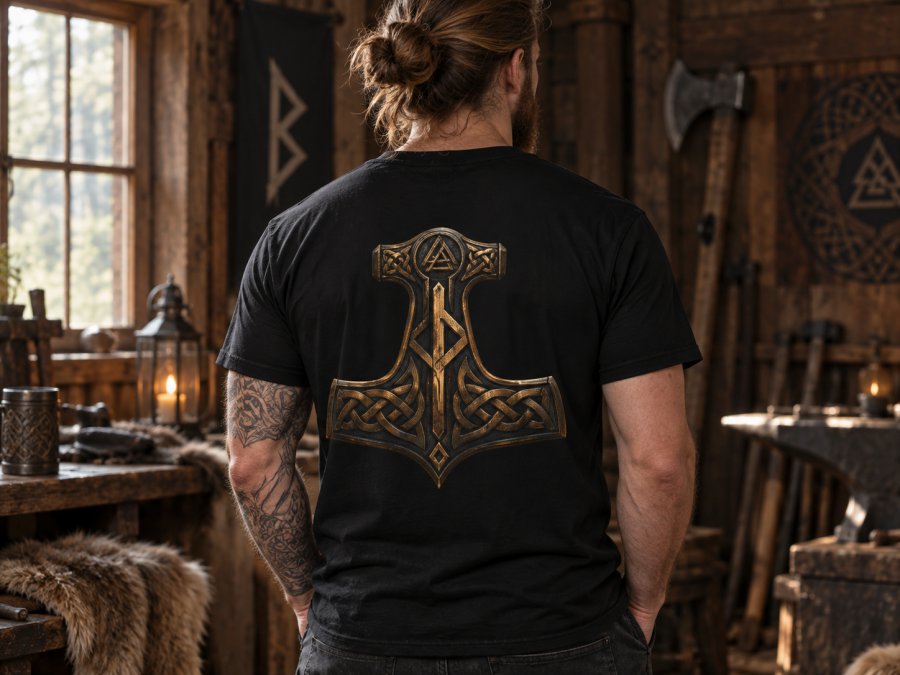
This is especially useful for garments with larger back artwork. Black Rune Works designs often use the back as the main visual area while keeping the front more restrained. Turning the garment inside out means that large printed surface spends less of the wash cycle rubbing directly against everything around it.
The same practice helps with shirts carrying broad Nordic patterns or detailed rune graphics.
It takes only a few seconds before washing and requires no special laundry product.
Cold Water Is Usually the Better Choice
Hot water is not necessary for most everyday clothing loads.
Cold water is generally gentler on dark fabric and decorative printing while still being appropriate for routine washing when used with normal laundry detergent. It also reduces unnecessary heat exposure before the garment ever reaches the dryer.
For Black Rune Works apparel, this matters because the dark base is part of the design. Black and charcoal garments provide the contrast that allows gold, bronze, silver, and brighter Aurora accents to stand out.
Keeping that background looking dark helps the artwork retain its original character.
If a garment has unusual cleaning requirements, the care label should always take priority. Otherwise, cold washing is a sensible default for graphic shirts, hoodies, joggers, leggings, and similar everyday apparel.
A Gentle Cycle Reduces Unnecessary Wear
Laundry does not need to be violent to get clothing clean.
A normal or gentle cycle is usually sufficient for clothing worn during ordinary daily activity. Gentler agitation reduces the amount of repeated rubbing and twisting the garment experiences.
This becomes particularly relevant for clothing with detailed designs positioned across sleeves, legs, or large back panels. Every wash cycle introduces mechanical stress, so there is little benefit in using a harsher setting unless the clothing genuinely requires it.
Avoid overloading the machine as well.
A tightly packed washer leaves clothing with less room to move and rinse properly. It can also create more compression and friction between garments.
Giving the load reasonable space is better for the clothing and usually better for washing performance too.
Use Ordinary Mild Detergent Rather Than Harsh Treatments
Graphic apparel rarely needs aggressive chemicals.
A normal mild laundry detergent is usually enough for regular cleaning. Strong bleach should be avoided unless a garment's care instructions specifically allow it, which is particularly important with black and other dark colors.
The purpose is not to create a complicated laundry routine. It is simply to avoid treatments that can be unnecessarily harsh on the fabric or artwork.
If a shirt or hoodie has a localized stain, treating that specific area is often preferable to subjecting the entire garment to a stronger wash.
When treating stains near printed artwork, avoid aggressive scrubbing directly over the design. Blotting or gently working the affected fabric is safer than repeatedly rubbing the printed surface.
Good garment care is usually about doing less damage rather than using more products.
Wash Similar Colors Together
Dark Black Rune Works apparel naturally fits into a dark laundry load.
Washing similar colors together helps reduce the possibility of color transfer and allows you to use settings suited to dark garments without compromising lighter clothing in the same load.
It also reduces the chance that a black graphic shirt gets mixed with rougher household textiles.
Heavy towels, blankets, and some work fabrics can create substantially more friction than ordinary clothing. Separating detailed apparel from those items gives printed surfaces a calmer trip through the washing machine.
Your Nordic shirt does not need its own private wash cycle.
It simply does not need to be tumbling against a load of heavy towels either.
Be Careful With Zippers
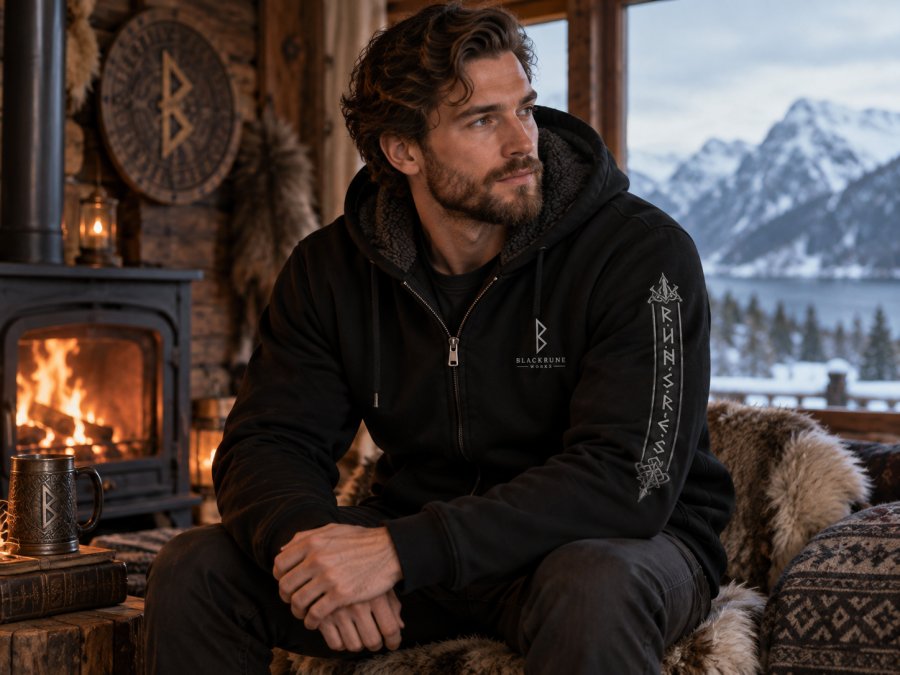
Full-zip hoodies introduce another consideration because the zipper itself is harder than the surrounding fabric.
Before washing a zip hoodie, check that the zipper is functioning properly and follow the garment's care instructions regarding washing preparation. Keeping the zipper controlled helps reduce the chance of the hardware catching on another piece of clothing.
Turning the hoodie inside out still helps protect exterior artwork.
Sherpa-lined Black Rune Works hoodies deserve particular attention because they combine graphic surfaces, zipper hardware, and a warmer interior construction in one garment. They do not require complicated care, but there are more components than on a basic T-shirt.
Avoid washing them unnecessarily after very short periods of clean indoor wear. Washing when the garment actually needs cleaning reduces the number of cycles it experiences over its lifetime.
Drying Has a Major Effect on Apparel
Many people pay attention to washing and then use maximum heat in the dryer.
That defeats much of the benefit of gentler washing.
High dryer temperatures repeatedly expose both fabric and printed surfaces to heat. Lower heat is usually the safer option when machine drying is permitted by the care label.
Air drying can be even gentler.
A shirt can be hung or laid appropriately to dry, while hoodies may need more time because heavier fabric and lined construction retain more moisture. Make sure thick garments are completely dry before storing them.
The goal is not to ban dryers.
It is to recognize that excessive heat is rarely necessary.
If you use a dryer, use the garment's recommended setting and remove the clothing when it is dry rather than continuing to bake it through a long high-heat cycle.
Never Iron Directly Over Printed Artwork
If a garment becomes wrinkled, avoid placing a hot iron directly on the printed design.
Heat and direct pressure can damage decorative surfaces depending on how the artwork was applied.
If ironing is appropriate for the underlying garment, work from the reverse side when possible and follow the care label. Keeping direct heat away from the graphic is the safest general principle.
A steamer may also be appropriate for some garments, but again, the fabric label should determine what is safe.
In many cases, hanging a garment promptly after drying prevents enough wrinkles that ironing is unnecessary.
Graphic apparel does not need to look formally pressed to look good.
How to Care for Black and Dark-Colored Apparel
Black garments are especially important within the Black Rune Works catalog because the dark background creates the foundation for much of the artwork.
Gold Nordic patterns look stronger against deep black. Silver rune designs rely on the same contrast. Bronze Mjölnir artwork gains its aged metallic character partly because the surrounding garment remains dark.
Repeated high-temperature washing and drying can make dark apparel look older sooner.
Cold washing, reasonable cycle settings, and reduced heat during drying help preserve that darker appearance.
Storage matters too.
Leaving dark garments for long periods in strong direct sunlight can gradually affect their appearance. Normal closet or drawer storage is enough. There is no need for special containers or complicated preservation methods.
These are clothes meant to be worn.
The goal is simply to prevent avoidable wear.
Caring for Nordic Pattern Shirts
A Nordic Pattern shirt often contains artwork across a much larger portion of the garment than a conventional chest graphic.
That makes turning the garment inside out particularly worthwhile.
The broad artwork may contain tonal backgrounds, knotwork, runes, metallic-looking accents, and sleeve details that all contribute to the overall design. Protecting one small section while ignoring the rest of the shirt would miss the point.
Wash the entire garment with the same care.
Cold water, sensible detergent, reasonable agitation, and lower drying temperatures create a simple routine that protects both the shirt and the artwork.
There is no need to hand wash every Black Rune Works graphic shirt.
Modern everyday apparel should remain practical.
Caring for Sherpa-Lined Hoodies
Sherpa-lined hoodies need more drying time than lightweight shirts because their construction contains more material.
That makes complete drying particularly important.
If a sherpa-lined hoodie is still damp internally when it is folded and stored, the problem is no longer about the graphic. Moisture trapped inside a thick garment can create odors and other storage issues.
Allow the hoodie enough time to dry fully.
When air drying, give it good airflow rather than leaving it bundled or folded while wet. When machine drying is permitted, use the recommended temperature rather than trying to speed the process with unnecessary high heat.
A little patience is preferable to repeatedly exposing a favorite hoodie to harsher temperatures.
Caring for Leggings and Performance Apparel
Printed leggings and similar performance pieces experience different stresses than shirts.
They stretch during use, move against the body, and may be washed more frequently because they are often worn during physical activity.
That makes gentle washing especially useful.
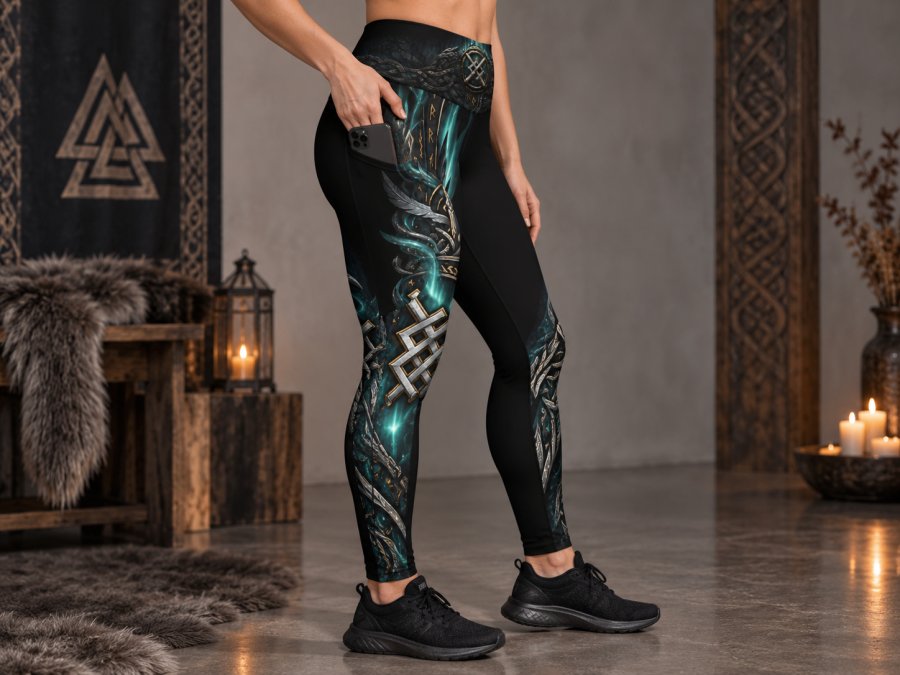
Turning leggings inside out helps protect exterior artwork, while cold washing reduces unnecessary stress on the fabric. Avoiding excessive dryer heat is also important because performance garments rely on their fabric maintaining the stretch and recovery they were designed to provide.
Pocket leggings should be emptied completely before washing.
That sounds obvious until a forgotten object spends an entire wash cycle pushing against the fabric from inside a pocket.
Simple habits matter.
Do Not Wash Clothing More Often Than Necessary
Clean clothing should obviously be washed when it needs it.
But not every garment requires washing immediately after a short period of light wear.
A sherpa hoodie worn over another shirt for an hour indoors is not in the same situation as athletic leggings worn during a workout.
Reducing unnecessary washing reduces unnecessary wear.
This is particularly useful for outer layers and hoodies that may not directly contact the skin over most of the garment.
Use ordinary judgment.
If something smells, is dirty, or has been worn heavily, wash it. If it was worn briefly over clean clothing and remains clean, it may not need another cycle yet.
The most environmentally friendly wash is also the one the garment did not need.
Store Your Apparel Clean and Dry
Storage does not require much thought as long as the garment is clean and completely dry.
Fold shirts normally or hang them if that works better for your closet. Avoid storing clothing while damp, and do not leave garments crammed into gym bags or vehicles for extended periods after wearing them.
Hoodies can be folded to avoid long-term stretching from hanging if they are particularly heavy.
The main priority is giving clothing a clean, dry environment.
Norse-inspired apparel does not need ceremonial treatment.
It simply benefits from the same sensible care you would give any clothing you want to keep looking good.
Wear It Without Being Afraid of It
Good garment care should never make someone reluctant to wear the clothing.
Black Rune Works apparel exists to be used.
A rune shirt should be worn. Nordic Pattern pieces should become part of normal outfits. Aurora leggings should move. Sherpa-lined hoodies should be used when the weather turns cold.
Wear naturally creates character.
The goal of proper care is not to keep clothing frozen in brand-new condition forever. Clothing changes with time because it is part of your life.
Proper care simply slows unnecessary deterioration.
A garment that has been worn for years and cared for properly can mean more than something that remained untouched in a drawer.
The experiences attached to it become part of the piece.
Protect the Garment and the Meaning It Carries
The artwork on Norse-inspired clothing may be what first catches someone's attention, but the relationship with the garment develops through use.
A rune may eventually remind the wearer of a particular period of life. A Mjölnir design may become associated with challenges they worked through. A Nordic Pattern shirt may simply become the piece they reach for more often than anything else.
Caring for that apparel helps preserve both the practical garment and the imagery that made it personal.
Fortunately, good care does not require much.
Wash thoughtfully. Avoid unnecessary heat. Protect the printed surface from excessive friction. Allow garments to dry completely. Follow the individual care label.
Then put the clothing back on and keep using it.
That is what it was made for.
Frequently Asked Questions
How should I wash a printed Norse hoodie?
Check the garment care label first. In general, turning the hoodie inside out and washing it in cold water with a normal mild detergent helps reduce unnecessary wear on the printed surface.
Can I put a Black Rune Works hoodie in the dryer?
Follow the specific garment's care label. When machine drying is permitted, lower temperatures are generally gentler on both the fabric and printed artwork than excessive high heat.
Should I wash graphic shirts inside out?
Yes. Turning a graphic shirt inside out reduces direct rubbing between the design and other garments during washing.
Can I iron over a rune or knotwork print?
Avoid applying an iron directly to printed artwork. If the garment can be ironed according to its care label, work carefully from the reverse side rather than placing direct high heat on the graphic.
How often should I wash a sherpa-lined hoodie?
Wash it when it actually needs cleaning. A hoodie worn briefly over another garment may not need to be washed as frequently as clothing worn directly against the skin or during physical activity.
How should I dry a sherpa-lined hoodie?
Follow the hoodie care label and make sure the entire garment is completely dry before storing it. Thick sherpa-lined construction may require more drying time than a lightweight sweatshirt.
How do I keep black graphic apparel from looking worn too quickly?
Cold washing, avoiding harsh bleach, reducing unnecessary high heat, washing similar colors together, and avoiding excessive washing can all help dark apparel retain its appearance longer.
Do printed leggings need different care from shirts?
They can experience more stretching and frequent washing because of athletic use, so gentle washing and avoiding excessive heat are especially useful. Always follow the care instructions supplied with the specific leggings.