

Cold weather naturally favors the kind of clothing that works well with Norse-inspired design: dark layers, heavier textures, practical silhouettes, and symbols that can be noticeable without turning an outfit into a costume. The goal is not to recreate Viking Age clothing. It is to take the visual strength of Nordic design and make it work in an ordinary modern wardrobe.
That distinction matters. Modern Norse-inspired clothing should still look appropriate at the store, at work, while traveling, around a fire with friends, or during a cold weekend outdoors. The symbolism should add character to the clothing rather than overpower it. A good cold-weather outfit feels intentional first and themed second.
At Black Rune Works, that idea is central to the way modern Nordic apparel is approached. The clothing is designed to carry meaning while still functioning as clothing people can actually live in. Cold weather gives that approach even more room to work because layering creates natural opportunities for different textures, graphics, and symbolic details to appear without competing with one another.
Start With a Modern Base, Not a Costume
The easiest way to make Norse-inspired clothing feel natural is to begin with pieces you would already wear even without the symbolism. A black shirt, dark hoodie, fitted long-sleeve top, leggings, joggers, or simple outer layer creates a foundation that already belongs in a modern wardrobe. The Nordic influence can then come through the design rather than through exaggerated styling.
This is where a lot of themed clothing goes wrong. When every part of an outfit is trying to announce the same idea, the result starts to feel theatrical. Modern Norse style works better when the silhouette stays familiar. A hoodie should still look like a hoodie. A shirt should still be easy to wear with jeans. A pair of leggings should still work for errands, travel, or training.
Keeping the base modern also makes the clothing more versatile. One symbolic piece can be worn repeatedly in different combinations instead of being saved for special occasions. That gives the design more meaning because it becomes part of daily life rather than something worn only when a certain look is required.
The strongest pieces are often the ones that make sense from across the room but become more interesting when someone looks closer. Knotwork running along a sleeve, a rune worked into a larger pattern, or a restrained symbol on the chest can give an outfit identity without forcing the entire outfit to revolve around it.
Layering Creates Depth Without Making the Outfit Busy
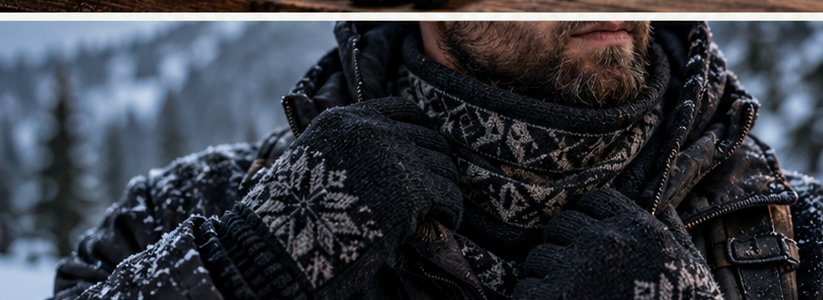
Cold-weather dressing is built around layers, which makes it ideal for symbolic clothing. A graphic shirt beneath an open hoodie gives only part of the design at first. A jacket over a Nordic-pattern hoodie allows sleeve details to remain visible while the larger design appears only when the jacket comes off. That gradual reveal feels more natural than putting every symbol on full display at once.
Color plays a major role here. Black, charcoal, gray, deep brown, muted gold, and other restrained tones make it easier to combine multiple pieces without visual conflict. When the base colors are controlled, a larger rune or knotwork design can become the focal point without looking excessive.
The same principle works with patterned apparel. If a pair of leggings or joggers carries a strong Nordic design, the upper half of the outfit can remain simple. If the hoodie is the main statement piece, the pants can stay quiet. Balance is what keeps the outfit grounded.
Layering also lets the wearer control how much symbolism is visible depending on the setting. A bold design might be fully visible outdoors but partially covered in a more casual indoor environment. That flexibility is one reason modern symbolic apparel works well as everyday clothing. The wearer decides how strongly the design speaks.
Let the Symbolism Carry the Identity
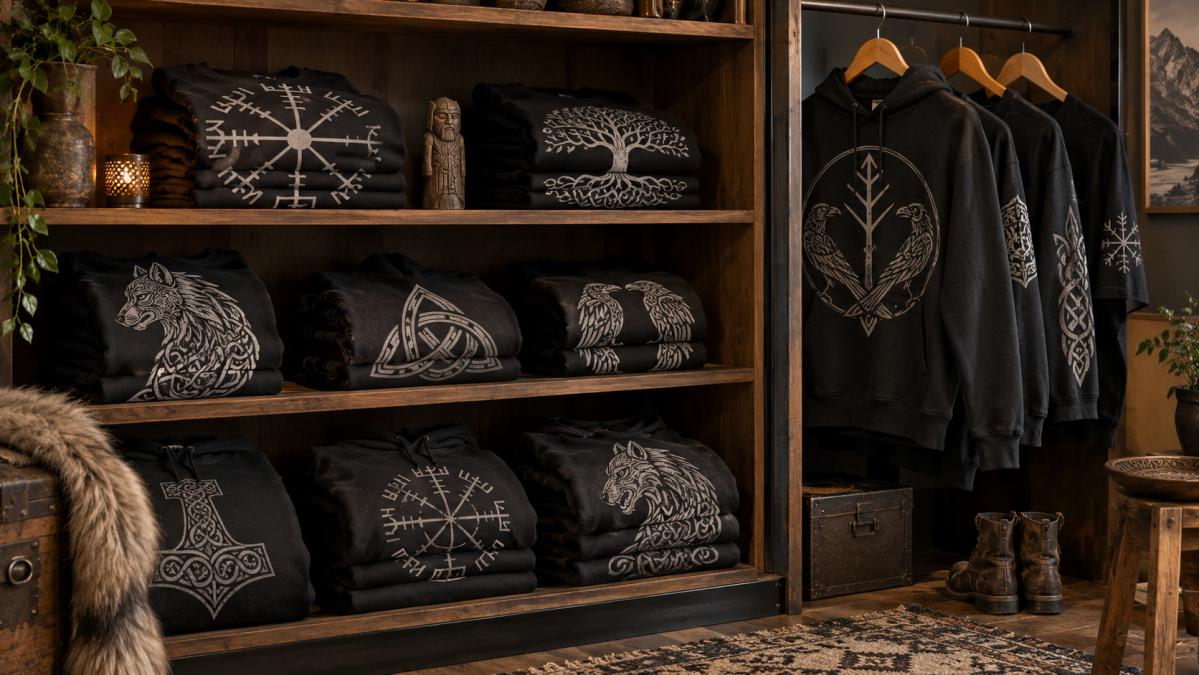
Norse-inspired clothing becomes more interesting when the imagery means something beyond decoration. Runes, knotwork, ravens, trees, hammers, and other Nordic motifs are often chosen because they connect to ideas such as resilience, discipline, protection, memory, strength, growth, or personal responsibility.
The meaning does not have to become a history lesson every time the clothing is worn. The point is simply that the wearer knows why the symbol matters. That personal connection changes the piece from a random graphic into something intentional.
A person might choose a rune because it reminds them to stay disciplined during a difficult period. Someone else might be drawn to Yggdrasil because the image represents growth, connection, and the idea that every part of life affects something else. A raven design might appeal to someone who values observation, thought, and memory. The same piece can look visually strong while still carrying a private meaning that only the wearer fully understands.
That is the difference between symbolic clothing and novelty merchandise. Novelty designs are usually meant to get a reaction. Meaningful designs can still look striking, but their value does not depend on anyone else noticing them.
For Black Rune Works, that is where collections such as the Nordic Pattern and Freyja lines fit naturally into a modern wardrobe. The visual identity is clearly Nordic, but the pieces are meant to function as clothing first. The symbol supports the person wearing it rather than turning the person into a display for the symbol.
Cold-Weather Style Works Best When It Feels Effortless
One of the easiest ways to judge an outfit is to ask whether it feels like something you would wear without thinking about it. Good everyday clothing should not require constant adjustment, explanation, or special coordination. It should be easy to reach for.
A strong winter rotation can be surprisingly simple. A few shirts, one or two hoodies, comfortable pants or leggings, and a reliable outer layer can create many combinations when the colors work together. The result is more useful than owning a large number of pieces that only work in one specific outfit.
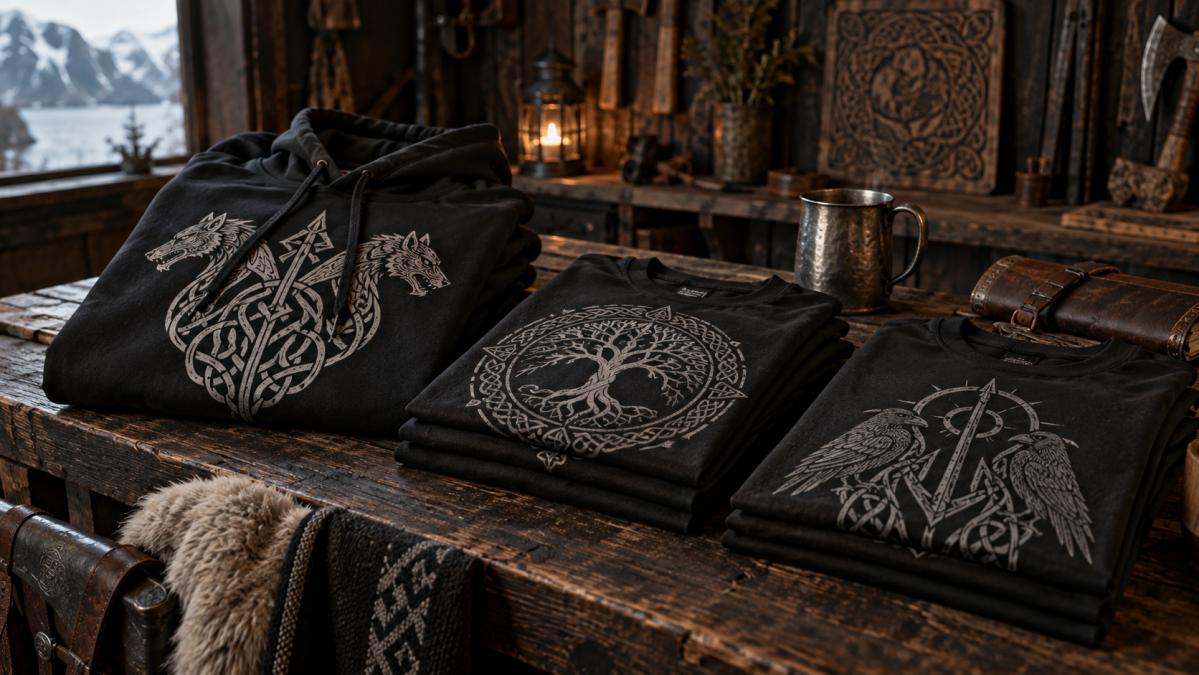
This is especially important with bold graphics. A design may look impressive on its own, but it becomes much more valuable when it also works with the rest of the wardrobe. A black hoodie with an intricate Nordic design can pair with jeans, joggers, work pants, or layered outerwear. A patterned shirt can sit under a plain jacket without fighting for attention.
The best Norse-inspired winter clothing does not require someone to dress around the garment. The garment works around the person’s life.
Choose Meaningful Pieces Instead of Chasing More Pieces
Cold-weather clothing often encourages unnecessary buying because every new layer seems useful. The better approach is to build a smaller group of pieces that actually get worn.
A garment earns its place when it fits well, works with the rest of the wardrobe, feels comfortable enough for repeated wear, and represents something the wearer genuinely likes. When those things are present, the piece naturally becomes part of a rotation instead of disappearing into a closet.
This also makes symbolic apparel more effective. A symbol seen once has little impact. A symbol worn repeatedly becomes familiar. It can become associated with a season, a goal, a period of change, or a principle the wearer is trying to live by.
That repeated connection is part of why clothing can carry more emotional weight than ordinary decoration. It moves with the person. It appears during work, travel, difficult days, good days, and ordinary moments. Over time, the piece gathers its own history.
That is a much stronger reason to own a garment than simply because it looked interesting for a few minutes online.
Build a Cold-Weather Wardrobe Around Your Actual Life
The most useful wardrobe is built around what someone really does. Someone who spends a lot of time outdoors will make different choices than someone who works indoors most of the day. Someone who trains regularly may rely heavily on leggings, joggers, and lightweight layers, while someone who prefers casual wear may build around shirts and hoodies.
The Nordic influence can work in any of those situations because it does not depend on one specific garment type. The identity comes from the design language, not from pretending modern clothing is historical clothing.
That also makes Norse-inspired style easier to personalize. Some people prefer large, intricate artwork. Others want subtle symbols that are only noticeable up close. Some connect most strongly with runes. Others prefer knotwork, trees, ravens, or geometric Nordic patterns.
There is no need for every person to wear the same symbols in the same way. The clothing works best when the design feels connected to the wearer rather than to a costume formula.
Cold weather simply gives more space to experiment. A shirt can carry one idea, a hoodie another, and the outer layer can keep everything grounded. When the colors and proportions remain controlled, even detailed artwork can feel natural.
Modern Norse Style Is About Identity, Not Reenactment
Norse-inspired clothing does not need to imitate the past in order to respect it. Modern people live modern lives, and the clothing should acknowledge that. The strongest approach is to draw from Nordic symbolism, pattern, and philosophy while creating pieces that make sense now.
That is why restraint matters. A well-placed symbol often communicates more than a garment covered in unrelated imagery. A coherent design feels stronger than a collection of visual references competing with one another. Meaning gives the artwork direction.
Cold-weather clothing is especially suited to this approach because the darker colors, layered silhouettes, and heavier visual weight already complement Nordic design. Nothing has to be forced.
When a piece looks good, wears comfortably, fits into everyday life, and represents something the wearer actually values, it has done its job.
Black Rune Works approaches Norse-inspired apparel from that perspective. The goal is not to dress people like characters from another era. It is to create modern clothing that carries older ideas forward in a way that still belongs in everyday life.
Frequently Asked Questions
What are the best materials for Viking winter accessories?
Wool and leather are the most effective materials for cold weather. Wool provides thermal insulation even when damp, while leather offers wind and weather resistance. Look for heavyweight wool cloaks, hand-stitched leather gloves, and durable belts. These materials are historically grounded and outperform synthetic alternatives in harsh conditions. For modern use, a wool base layer under a leather or wool outer layer keeps you warm without bulk.
How do I incorporate Norse style into a modern winter wardrobe?
Start with one or two functional pieces. A wool hooded cloak or a leather belt with a simple buckle adds Norse character without looking like a costume. Pair these with modern jeans and boots. Subtle details like embossed leather or a rune pendant keep the look grounded. The goal is utility and craftsmanship, not reenactment. Choose pieces that serve a purpose and reflect discipline and self-mastery.
Why is wool better than synthetic fabrics for winter?
Wool regulates temperature, wicks moisture, and stays warm when wet. Synthetics trap sweat and lose insulation when damp. Wool is also naturally odor-resistant and durable, making it ideal for layering. For Viking winter accessories, wool cloaks, hoods, and leg wrappings provide reliable protection. The benefits of wool for winter clothing include breathability and long-term resilience, which align with a practical, prepared mindset.